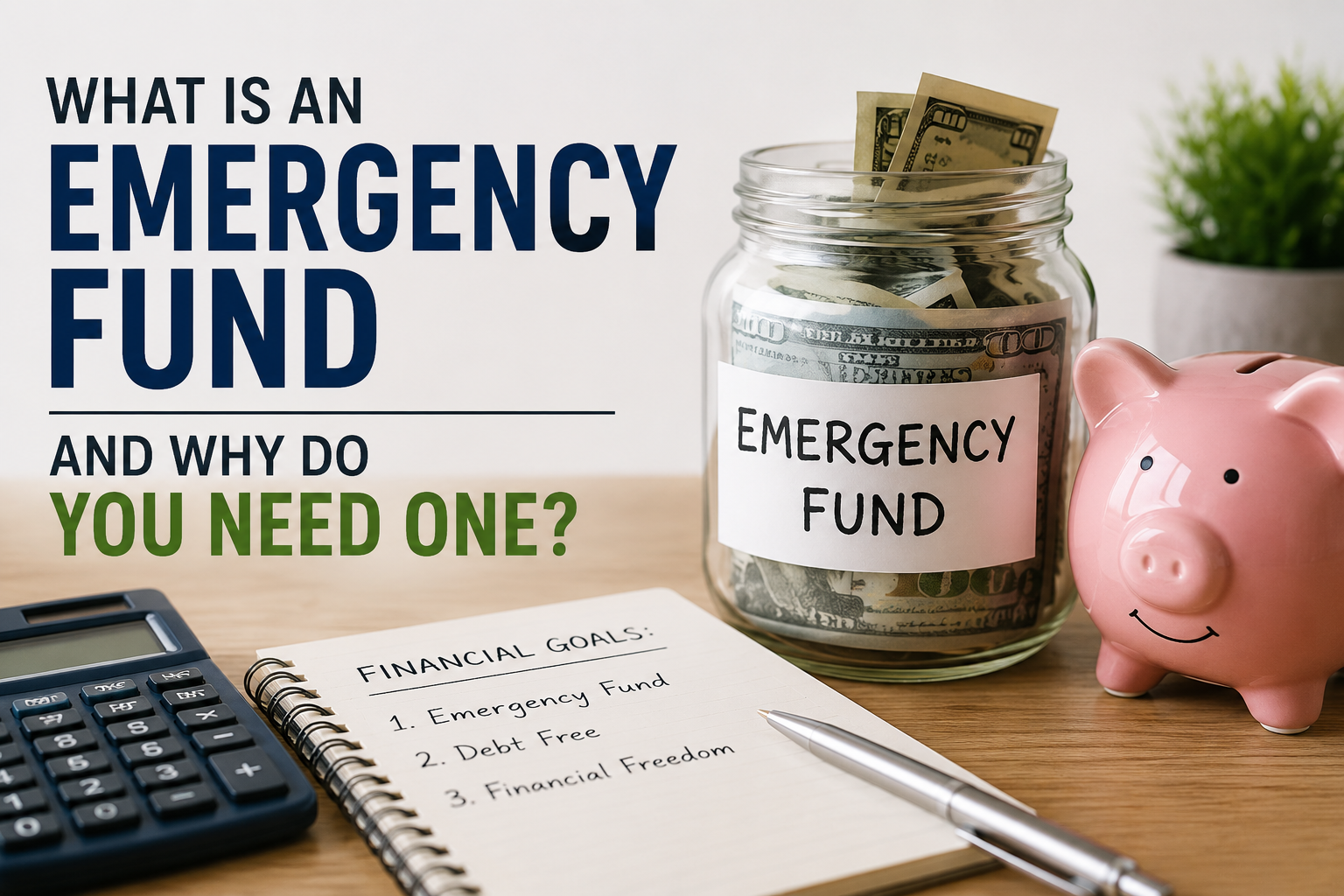
Life is full of unexpected expenses. A car repair, medical bill, job loss, or home emergency can happen at any time. An emergency fund helps you prepare for these situations without going into debt.
What Is an Emergency Fund?
An emergency fund is money set aside specifically for unexpected expenses. It acts as a financial safety net that protects you from relying on credit cards or loans during difficult times.
Why Is an Emergency Fund Important?
Having an emergency fund provides peace of mind and financial security. It can help you:
- Cover unexpected medical expenses
- Pay for urgent home or car repairs
- Manage temporary job loss
- Avoid high-interest debt
- Reduce financial stress
How Much Money Should You Save?
Many financial experts recommend saving three to six months of living expenses. However, if you’re just starting, even saving $500 to $1,000 can make a significant difference.
How to Build an Emergency Fund
1. Set a Savings Goal
Determine how much you want to save and break it into smaller monthly targets.
2. Create a Budget
Review your income and expenses to identify areas where you can save more money each month.
3. Automate Your Savings
Set up automatic transfers to a dedicated savings account to make saving easier.
4. Save Windfalls
Tax refunds, bonuses, and gifts can help you grow your emergency fund faster.
Where Should You Keep Your Emergency Fund?
A high-yield savings account is often the best place because it keeps your money accessible while earning interest.
Common Emergency Fund Mistakes
- Using the fund for non-emergencies
- Keeping too little money saved
- Not replenishing the fund after using it
- Investing emergency savings in risky assets
Final Thoughts
An emergency fund is one of the most important steps toward financial stability. By saving consistently and preparing for unexpected expenses, you can protect yourself and your family from financial setbacks.
For beginners who are creating a budget, read our guide on creating a monthly budget to help manage your money more effectively.
If you’re just starting your financial journey, creating a monthly budget can help you save money consistently and build your emergency fund faster.
1 thought on “What Is an Emergency Fund and Why Do You Need One?”